
Five years ago, if someone had asked me how an international school could strengthen its market position, my answer would probably have focused on familiar areas: digital marketing, admissions campaigns, social media, open days and academic results.
Those things still matter. But as competition intensified, we began to realise that these activities alone were becoming increasingly difficult to differentiate. Every school claimed excellent teaching, strong examination results and a caring environment. Every school invested in communication and promotion.
Rather than asking how we could promote our school more effectively, we began asking a different question:
What would make our school genuinely more valuable?
That shift transformed our strategy. Instead of treating partnerships as enrichment activities sitting alongside the curriculum, we began viewing them as strategic assets capable of strengthening learning, reputation, community engagement and, ultimately, sustainable growth.
Moving beyond occasional collaboration
Many schools already work with universities, charities or local organisations. Often, however, these relationships are isolated. A university visits during careers week. A charity supports one service project. A company sponsors a competition. Each initiative may be worthwhile, but they rarely form part of an integrated organisational strategy.
We decided to think differently. Every proposed partnership had to answer one question:
How does this strengthen the school’s long-term value proposition?
If a partnership benefited only one event, it was unlikely to justify the investment of staff time. If it could improve learning, reputation and community engagement simultaneously, it became strategically valuable.
We organised our partnership strategy around three priorities: improving student learning, increasing organisational credibility and supporting sustainable enrolment growth. This made partnership development more selective, but also more effective.
Bringing higher education into school
One of our earliest priorities was strengthening relationships with universities. Rather than limiting universities to recruitment visits, we explored how they could become active educational partners.
Collaborations with the University of Nairobi, Technical University of Mombasa and Pwani University created opportunities for students to experience university-level learning before graduation. Students participated in engineering projects, career exploration, university immersion activities and enterprise programmes that connected classroom learning with future study and employment pathways.
“Instead of asking how we could promote our school more effectively, we began asking what would make our school genuinely more valuable.” – Ildar Iliazov
Our work with the University of Nairobi went further through a business accelerator and entrepreneurship forum. Students developed ideas, tested business concepts, engaged with university expertise and considered entrepreneurship as a practical process rather than an abstract classroom topic.
The benefits extended beyond the students involved. Teachers gained external contacts and access to specialist knowledge, while parents could see tangible evidence of the opportunities available to students beyond examinations.
Learning beyond the classroom
Universities were only one part of the strategy. Professional and community organisations offered something equally valuable: access to authentic settings in which students could apply their learning.
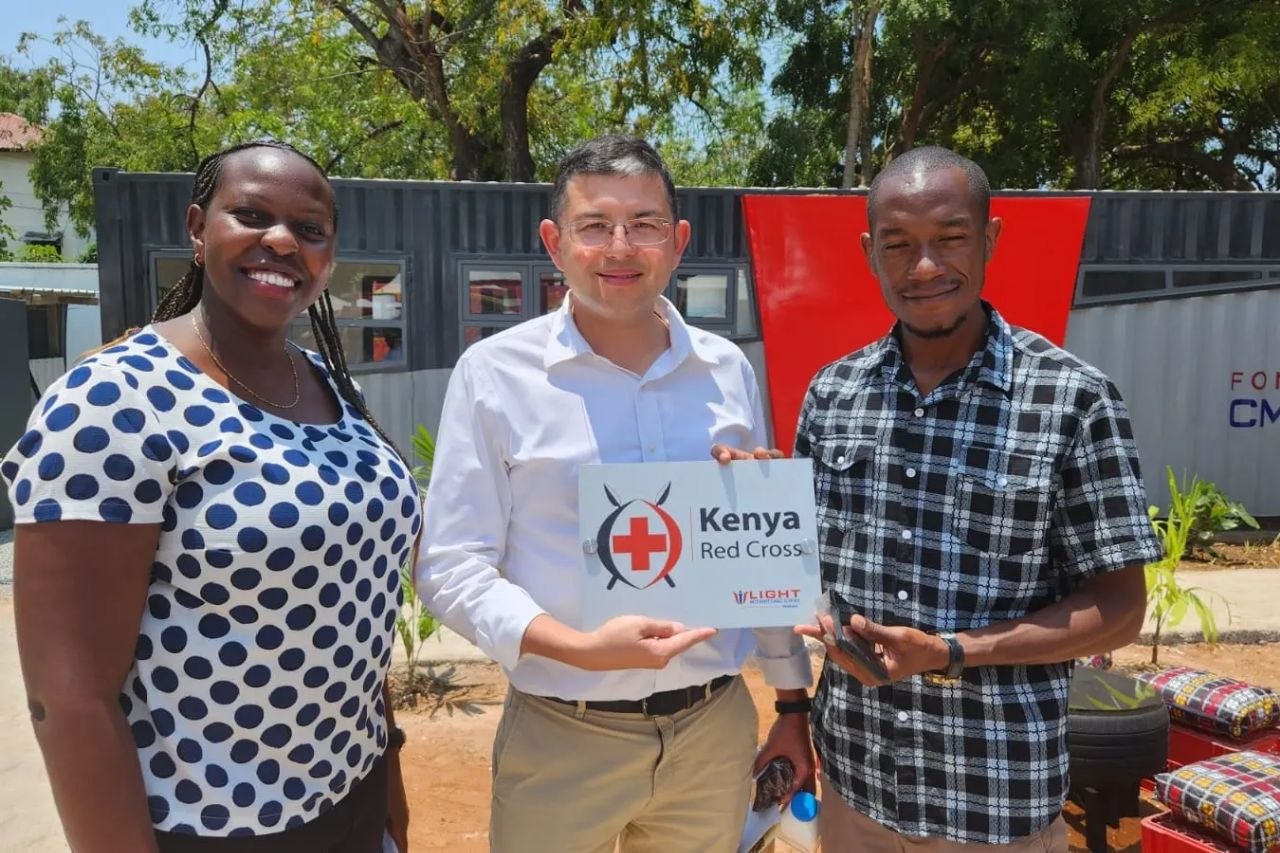
Our partnerships expanded to include the Kenya Red Cross, Rotary Club of Mombasa, Google Developer Groups (GDG) Pwani, the United Nations Youth Association (UNYA) Kenya and Alliance Française (Af) Mombasa. These relationships supported leadership development, technology education, service learning, communication and community engagement.
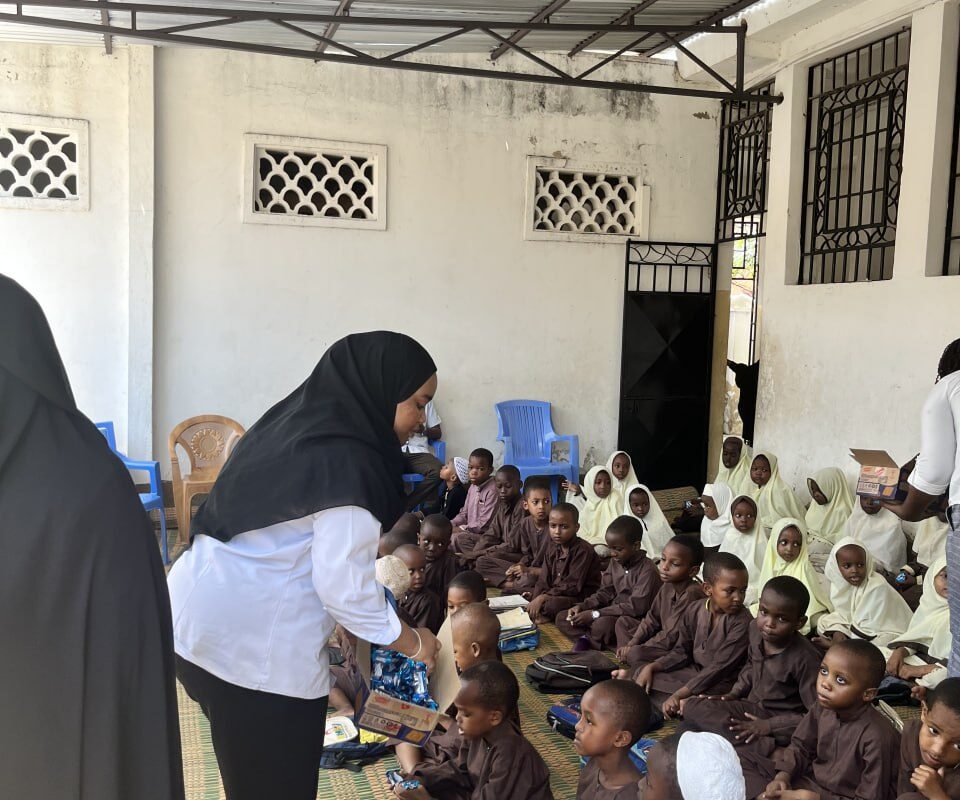
For example, our “Goldilocks” model for community engagement, developed with the Rotary Club of Mombasa and the Kenya Red Cross, shifted service learning towards medium-scale projects that were meaningful, visible and manageable. Students helped provide computer classrooms, libraries and other learning spaces to under-resourced schools, turning community service into practical project-based learning.
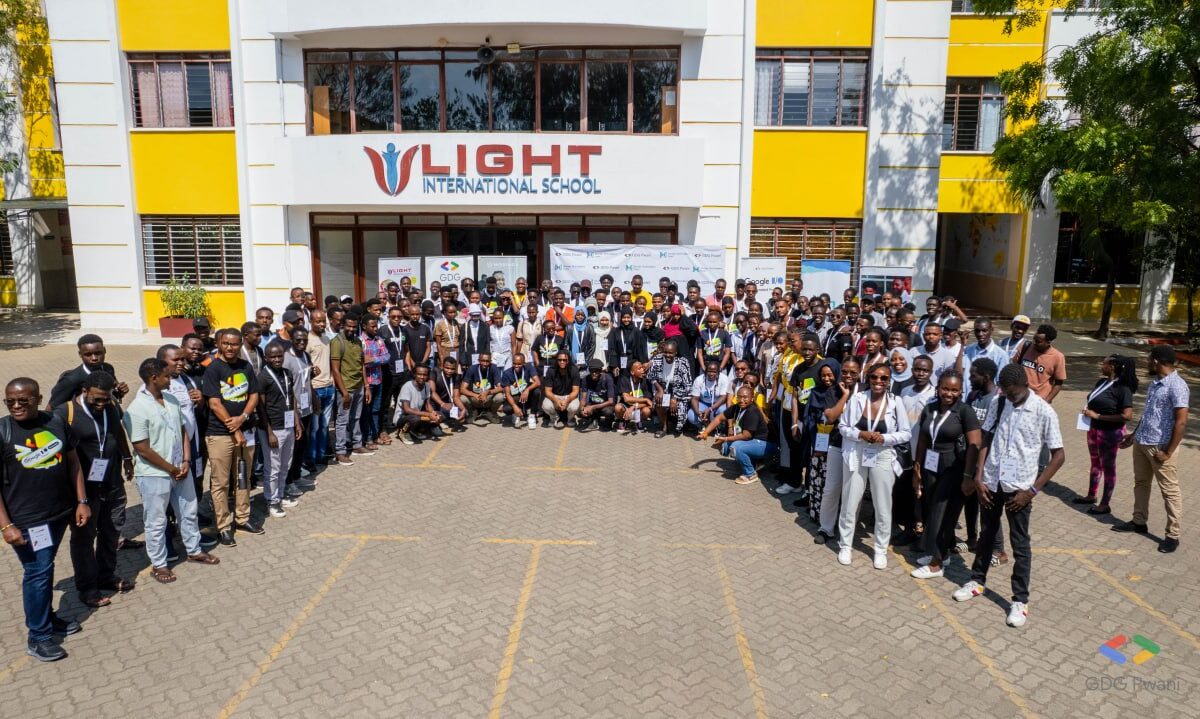
Our termly Online Day, supported by GDG Pwani, prepared students for virtual university study and digital workplaces while strengthening staff confidence in online teaching. Journalism Day, organised with Af Mombasa, gave students practical experience in media literacy, interviewing and responsible storytelling.
The impact can be seen in the sustained growth of student participation. Recorded service-learning hours increased from 1,323 in 2021–22 to 1,632 in 2024–25, demonstrating that these partnerships were helping move service learning away from occasional activities towards sustained engagement.
Reputation through demonstration rather than promotion
Traditional marketing focuses on communicating a school’s strengths. Partnerships helped us create experiences that demonstrated those strengths.
The impact became particularly visible when students themselves began creating stories from these experiences. Two student-produced videos connected to our special days reached more than one million views each; one from Service Learning Day on Instagram and another from Cultural Day on TikTok.
These were not conventional school advertisements. They were authentic examples of students documenting experiences created through the wider school programme, reaching audiences far beyond what we would normally expect from paid school marketing.
“The value of a partnership is not that an organisation’s logo appears alongside the school’s. It is what the relationship makes possible for students.” – Ildar Iliazov
External organisations also began giving our students platforms beyond the school itself. Two of our AS/A Level students were featured in Cambridge International video content connected to its AS & A Level promotion, including material shared through Cambridge’s own channels.
Through the President’s Award Kenya, part of the Duke of Edinburgh’s International Awards, our students have also achieved 25 Gold Awards and more than 100 Silver and Bronze Awards. Their experiences have subsequently been shared through the organisation’s own public channels.
For me, this represents a particularly valuable form of external validation. Instead of the school simply telling families what our students experience, respected organisations are giving students opportunities to demonstrate and share those experiences themselves.
Partnerships became part of the school’s ecosystem
As the strategy developed, partnerships began creating opportunities that extended beyond individual programmes.
In 2024, we hosted the Rotary Sunshine Rally for the Coast region, bringing together schools, volunteers and community organisations to support children with disabilities. In 2025, this approach extended to the Mombasa Open International Chess Championship, organised in collaboration with Mombasa Chess Club and Chess Kenya and hosted at our school, with visibility through the wider COBIS network.
Students increasingly moved from being participants to helping organise and deliver these events. The school became a platform where students, families, professional organisations and the wider community could come together.
This created another form of value. Hosting major events strengthened our networks and visibility while giving students authentic opportunities to develop leadership, organisation and volunteering skills.
Partnerships changed our decision-making
Perhaps the greatest transformation occurred inside the organisation. Partnership development gradually became part of strategic planning rather than an optional activity.
- When designing new programmes, we routinely asked:
- Which external organisations could strengthen this initiative and contribute expertise?
- Which community partners share our educational values?
- How can students gain authentic experiences rather than simulated ones?
- Could the initiative support learning and reputation at the same time?
These questions became embedded in curriculum planning, student leadership, professional development and community engagement. Partnerships stopped being isolated projects and became part of the school’s infrastructure.
That shift also changed how we judged success. Enrolment was not the only measure. We looked at student opportunities, participation, institutional reputation, community relationships and organisational learning.
Lessons from our experience
Several lessons have emerged from building this approach.
- Begin with strategy rather than contacts. Successful partnerships should be built around organisational priorities, not simply around whoever happens to approach the school.
- Seek long-term relationships. The greatest benefits appear when trust develops over several years.
- Create mutual value. Partnerships are more sustainable when both organisations gain something meaningful from the relationship.
- Involve teachers and students. Partnerships become part of school culture when ownership extends beyond senior leadership.
- Measure the wider impact. Look beyond admissions to participation, student outcomes, community engagement, external recognition and organisational learning.
From partnerships to sustainable growth
International schools operate in an increasingly competitive environment where sustainable growth depends on more than effective promotion. Families are looking for evidence that schools provide meaningful opportunities extending beyond examination results, while schools face growing pressure to ensure that investments deliver multiple forms of value.
Our experience has shown that strategic partnerships can address both challenges. They enrich learning, strengthen professional practice, build institutional credibility and expand community networks while contributing to long-term organisational growth.
“Individual events can be copied; a mature partnership ecosystem built on long-term trust cannot.” – Ildar Iliazov
The real value is not that an organisation’s logo appears alongside the school’s. It is whether the relationship creates opportunities students would not otherwise have had, expands the audience for their work, strengthens participation over time and gives the school credible evidence of what it claims to offer.
We discovered that sustainable growth was not simply about becoming better at marketing the school. It was about creating a school that more people wanted to partner with, talk about and recommend.
By Ildar Iliazov

Ildar Iliazov is Head of Projects and Marketing for Light Group of Schools in Kenya. He is also a CIS Team Evaluator, COBIS Peer Accreditor, and NEASC Accreditation Visitor. His professional interests include school improvement, social capital, strategic partnerships, international education and organisational development.
