
I asked our students what hard things they have faced in the last year, things that they wanted to avoid or miss, things that they worried about it or things they are nervous about these were some of the examples they gave: making new friends, seeing my friends after the holidays, having new teachers, starting new subjects, not getting picked for my X team, missing out on a birthday party, a maths test, a science test, having to speak in class, having to speak in an assembly. The list goes on!
Often as educators, our inclination when young people are faced with challenges is to make things easier for them (quite rightly in their parents’ minds!). Especially when observing such behaviours as:
- Disruption
- Shutting down emotionally
- Nausea or physical discomfort
- Missing school or avoiding activities
- Anger or frustration or feelings of anxiety
- Escalation in numbing activities like excessive phone use or gaming
In doing so are we truly setting them up for success?
Such reactions highlight the need for effective strategies to teach young people that they can indeed face hard things, not by powering through at the cost of their wellbeing, but by acknowledging their fears and equipping them with the tools to move beyond those feelings of discomfort.
“The students are empowered to work through feelings that they might normally run away from”
The Role of Schools in Wellbeing Education
Most schools today include some form of a Personal, Social, Health, and Economic (PSHCE) or Wellbeing curriculum. Each institution typically dedicates at least one period a week to this. While these programs cover essential or mandated topics like respectful relationships, diversity, goal setting, purpose, physical and mental health they sometimes fall short with the practical real-life application of some of these topics
A poignant moment occurred during a goal-setting unit when a student expressed frustration, muttering, “What are we doing this for again? We set goals and set goals, but never do anything with them.” This prompted a reflection on the purpose and impact of such lessons. I offered her a unique opportunity: if she didn’t see the value after two weeks, she wouldn’t have to attend the class anymore.
At the end of the term, her reflection was striking: “I am also grateful for the wellbeing program here. I think it helped me become more mindful and in touch with my wellbeing, which I have never really acknowledged or understood before It gave me many tools to become more aware of my emotions and how to manage them.”
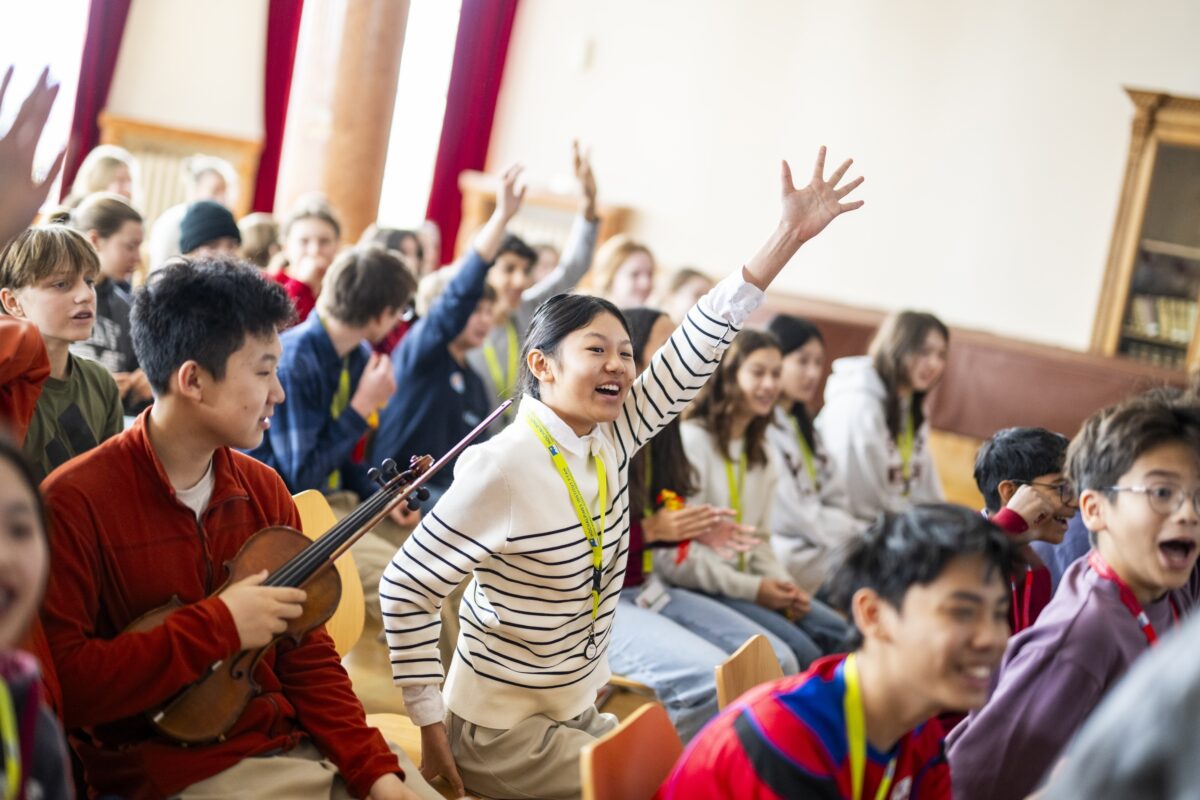
Source: Hochalpines Institut Ftan
Building Confidence and Community
Another student shared how their experience transformed their mindset:“I have been shaped me in ways I never expected. I used to always get into my head, telling myself that I’ll never be able to do this or that I’m not good enough. But here, I’ve learned that it’s okay to fail, as long as you get back up and try again. I’ve found friendships that feel real, where I don’t have to pretend to be anyone but myself. Stepping outside of your comfort zone can lead to the best experiences.”
At HIF, wellbeing is at the core of our mission. Our curriculum integrates the Science of Learning and the Science of Wellbeing, ensuring that students understand how their brains work. They learn about crucial topics such as:
- The impact of sleep on memory and emotions
- Stress responses and their physical manifestations
- Optimising our brains to learn how to code and retrieve information and apply to new topics
- Emotional Literacy
- The impact of technology and social media on our brains
- Mindset
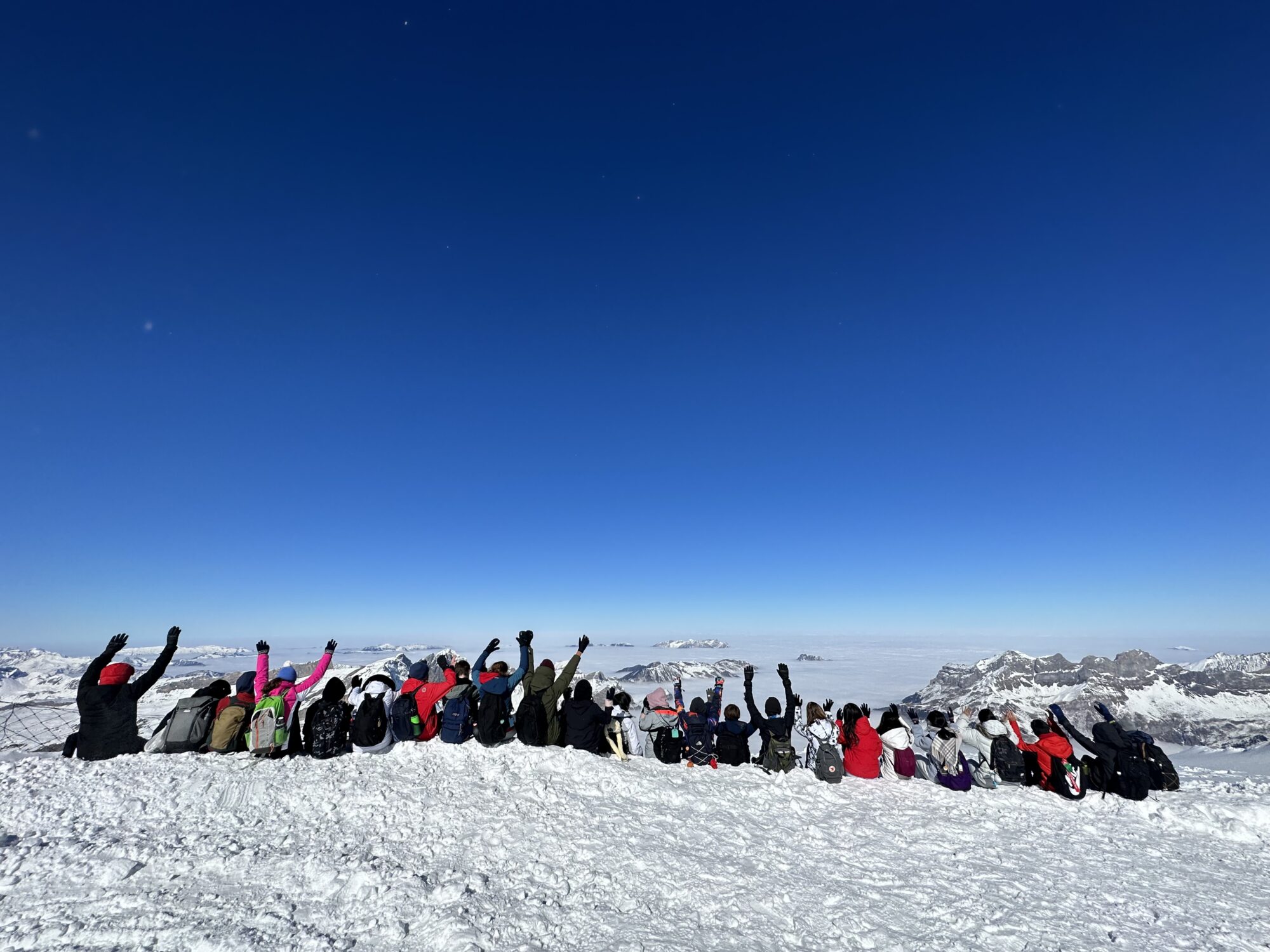
Through our boarding programme, students can apply these lessons in a supportive environment. For instance, during our stress response unit, students engage in activities like abseiling and rock climbing which allows them to recognise a stress response in their body and using strategies they have learnt to address it in the moment.
We have seen that within one week of learning about how this feels and manifests in their bodies they are applying it in real-life situations., With structured reflection time, students can identify not only what happened but how they handled it.
For some the answer is simple; I tried a breathing technique, and it helped me calm down. For others the breathing technique wasn’t enough on its own but before avoiding the activity entirely, they were able to seek help from the staff to understand how it will work, safety and what happens if they can’t do it.
The students are empowered to work through feelings that they might normally run away from. An important part of the reflection includes what this might look for them in the classroom or sports field or stage moving forward how can what they have learned rock climbing be applied to their final exams.
“Wellbeing is treated as a core subject and allows the students time and space to learn about
themselves but also the theory behind some of their behaviours and approaches.”
How do we make this work?
- We are all wellbeing teachers: Our staff are learning how their subject (Maths, English, Science) can teach some of the elements of wellbeing, so we have more time dedicated to explicit teaching. This in turns allows students to see the connection between what we are learning in wellbeing and their subjects. It also builds a common language around wellbeing, our brains and challenges meaning that we can easily access resources to support our students.
- Opportunity for Challenge and Failure: Our location lends itself to activities where students might feel discomfort, we are a boarding school, we are on the side of a mountain and even a simple run to the shop can take be an effort! However, we create opportunities in the classroom, in our evening study routines and in our culture and adventure weeks for the students to be challenged.
- Time: We have an allocated 4 hours in Year 9 and 3 Hours in Year 10 dedicated to explicit wellbeing curriculum. It is treated as a core subject and allows the students time and space to learn about themselves but also the theory behind some of their behaviours and approaches. By giving them this curriculum we acknowledge that they are mature enough to apply it and understand it.
- Staff Development: The curriculum has resources that the staff can access and review before teaching. Our Head of Student Wellbeing and Growth then spends time with the teachers ensuring that they feel confident with the material and tweaking, adding things to it to make the lesson their own. Our Wellbeing teachers are also either an academic teacher or an outdoor learning teacher so this allows for a transfer of knowledge across the subjects meaning that it doesn’t just stay siloed in that one lesson.
“It also builds a common language around wellbeing, our brains and challenges meaning that we can
easily access resources to support our students.”
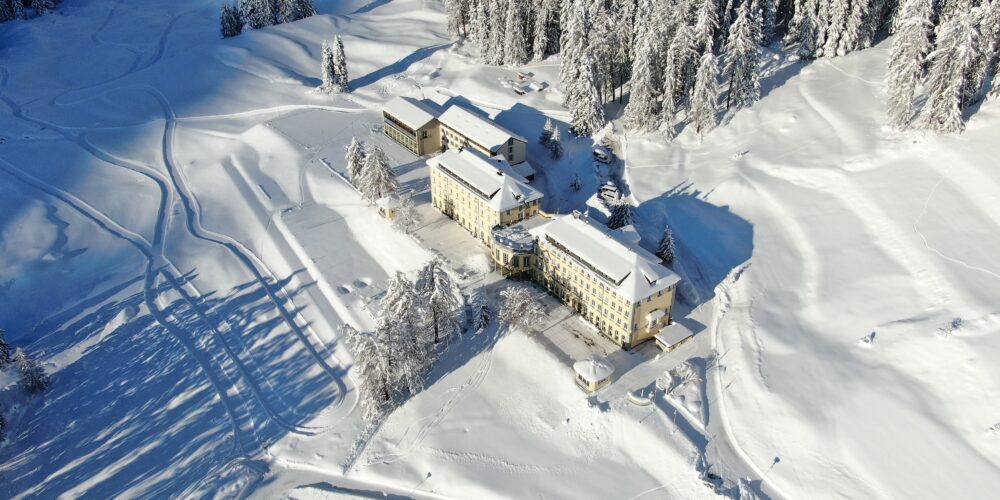
Source: Hochalpines Institut Ftan
The journey of teaching young people that they can do hard things involves more than just a one-hour lesson a week; it requires creating an environment where they feel safe to acknowledge their discomfort and empowered to confront it or ask for help. By fostering a community centred on wellbeing, we equip our students with the skills they need to navigate hard things confidently. Together, we can help them embrace the notion that they can overcome a difficult or scary or new moment and thriving as result.
By Olivia Bugden

Olivia Bugden began her teaching career in 2005 after graduating from Charles Sturt University, Australia with a double degree in Arts and Education, majoring in Literature and Drama at Moree Secondary College, Australia. In addition to her role as an English Literature and Language Teacher, Olivia has spent the last decade developing and implementing wellbeing curricula in various leadership roles in England, China, Hungary and Australia and now Switzerland where she is Head of International and Boarding.

