Many international schools worldwide share a common challenge: ensuring their unique educational offerings gain recognition from top universities worldwide. Dr Steffen Sommer discusses Misk Schools’ pioneering diploma programme that has bridged local and international education standards.
ARCHIVE
You’re viewing the archive for:
ISL Magazine
ARCHIVE LISTING
ISL Magazine
What is the School ‘Experience’?
Almost every reputable international school brand will mention the term ‘experience’ on their website, yet very few offer a complete definition of such. Tyrone Ruth offers practical advice on framing your school narrative and understanding the intricacies of your international school’s ‘experience’.
Linguistic Labyrinths and Cultural Crossroads: Navigating the international school library
Education Consultant Sarah Pavey discusses best practices and creative uses of Library Management Systems (LMS), aiming to enhance the ability of international school libraries to serve a diverse and dynamic student population.
Cultivating Reflective Practice Amongst International Educators
In the ever-changing landscape of education, schools must continuously seek innovative ways to empower teachers and enhance student outcomes. Dr Jake Madden discusses the Yearly Teacher Inquiry (YETI) model as a cutting-edge approach to cultivating reflective practice among educators.
We Are All Technologists: Rethinking roles and responsibilities for technology in schools
Jenny-Lee Moore and Wolfgang Soeldner discuss the evolving role of technology in education, emphasising the need for a critical examination of its use, privacy safeguards, and ethical considerations. They advocate for a more humane and value-driven approach to its integration in international schools.
Metacognition in the Middle School
Tanusankar Chakraborty explores the transformative benefits of the International Baccalaureate’s Theory of Knowledge (TOK) course, highlighting its capacity to enhance emotional awareness and critical thinking. He explores the rationale behind integrating a metacognitive program into international school curricula, identifies the key challenges to its implementation, and offers practical strategies to overcome these.
The View from My Wheelchair – PART 2
In Part 2 of this two-part article series, Matthew Savage discusses how truly inclusive schools go beyond surface-level accommodations by engaging the community in reducing barriers, adapting policies for flexibility, and fostering accessible environments that empower disabled individuals with independence.
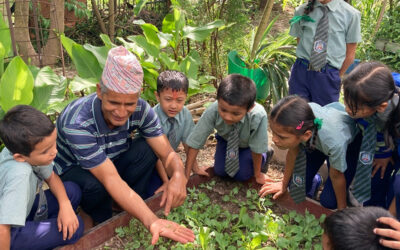
Education for Sustainability to Transform Schools in Nepal
Sunita Bhandari and Rajen Karki discuss Kopila Valley School’s wide-ranging sustainability initiatives, emphasising the importance of place-based education, community engagement, and fostering students’ growth into independent, eco-conscious citizens.
Enhancing Wellbeing through Technology and Authentic Connection
In today’s rapidly evolving educational landscape, student wellbeing has become a crucial focus for schools worldwide. Matthew Parker of Harrow International School Bangkok explores a pioneering approach that combines student-led technology use with a strong emphasis on community and connection.
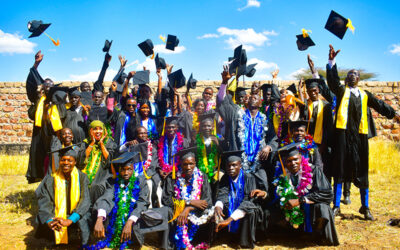
Amala’s Global Secondary Diploma: Education for refugee youth
Polly Akhurst, Co-founder and Co-executive Director of Amala Education, discusses the development of the world’s first programme specifically designed for refugee youth to complete their secondary education.